Economy home decor is not about settling for less. It is about spending on purpose instead of spending on impulse, so the few dollars you do put into a room actually show. Most budget decorating articles stop at “shop secondhand” and “add plants.” This one goes further: specific moves, in order, that make a cheaply decorated room read as put-together instead of thrown-together.
Plan Your Economy Home Decor Before You Spend a Dollar
1. Shop Your Own House First
Before buying anything, walk through every room. Pull anything you like but have stopped noticing: a lamp in the guest room, a vase in the closet, art leaning behind the dresser. Group these pieces on a table and look at them together. Most people find enough to refresh one full room without spending a cent, simply by moving things to where they will actually be seen.
2. Set a Per-Room Budget, Not a Whole-House One
A single “decorate the house” budget gets spent unevenly, usually on the first room you tackle. Split it by room instead, and treat each number as a hard stop. A $150 living room budget forces better choices than a vague $600 whole-house one, because every purchase has to compete against the others in that same room.
Walls That Look Expensive for Cheap
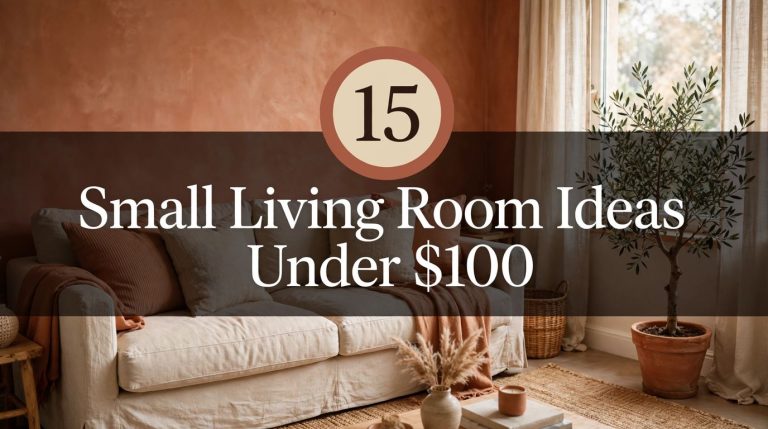
3. Paint One Wall Instead of the Whole Room
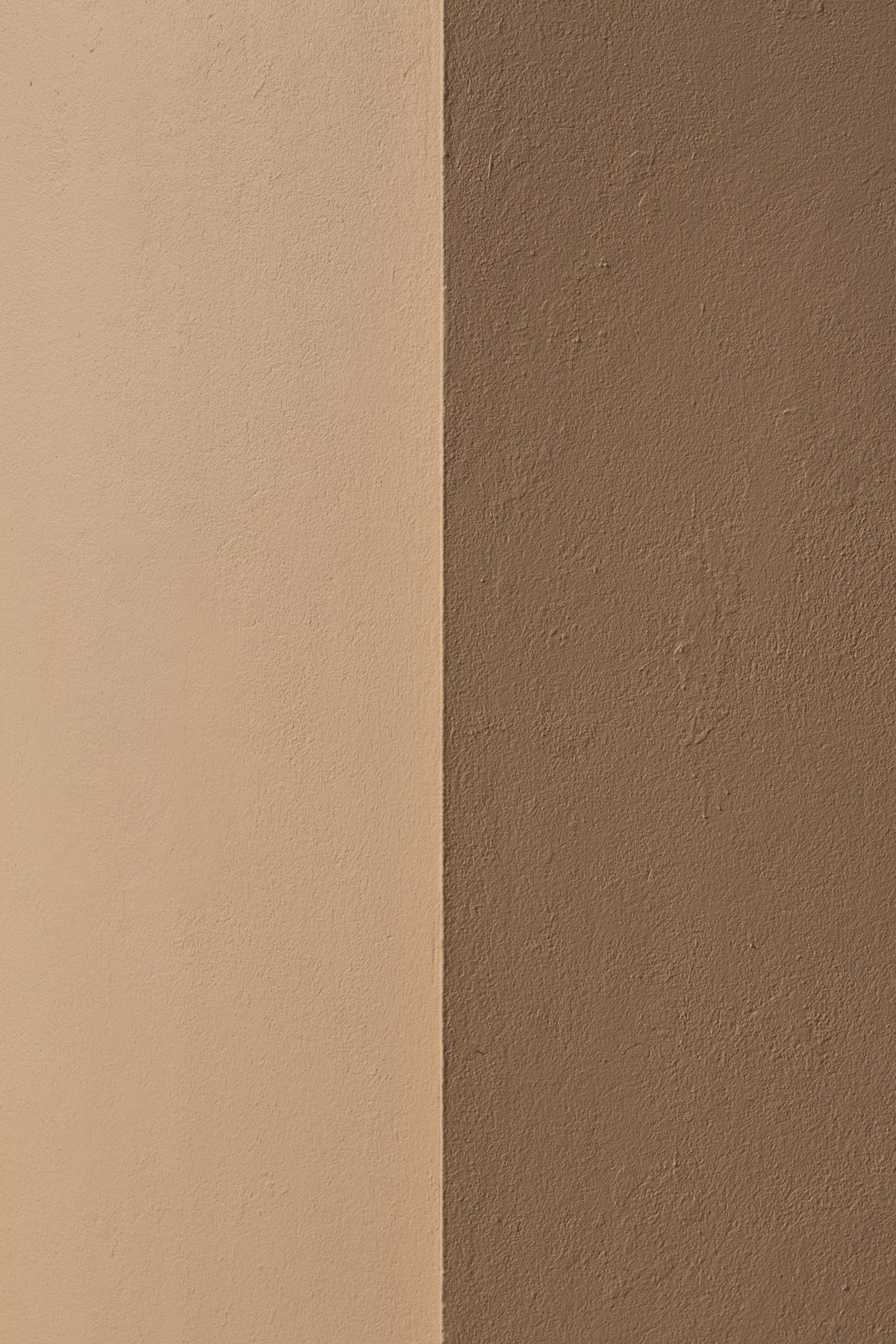
A full room repaint eats most of a decorating budget in primer and paint alone. One accent wall in a saturated color, like a deep terracotta or forest green, uses a single gallon and does more visual work than four pale walls. Painting the wall that faces the room’s entrance has the biggest impact, since it is the first thing anyone sees.
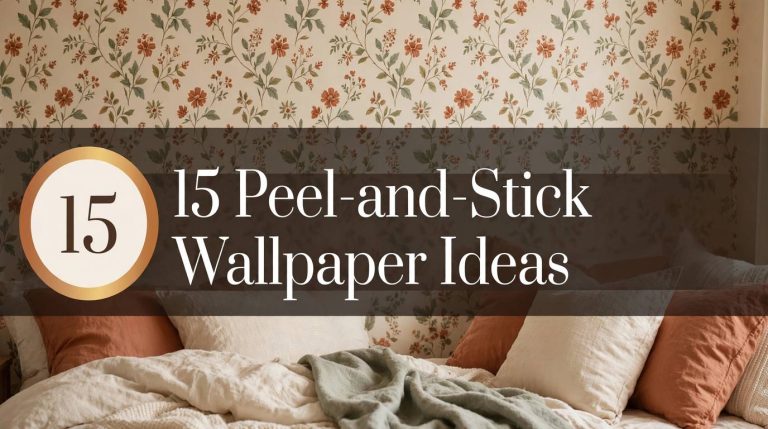
4. Use Peel-and-Stick Wallpaper Behind Open Shelving
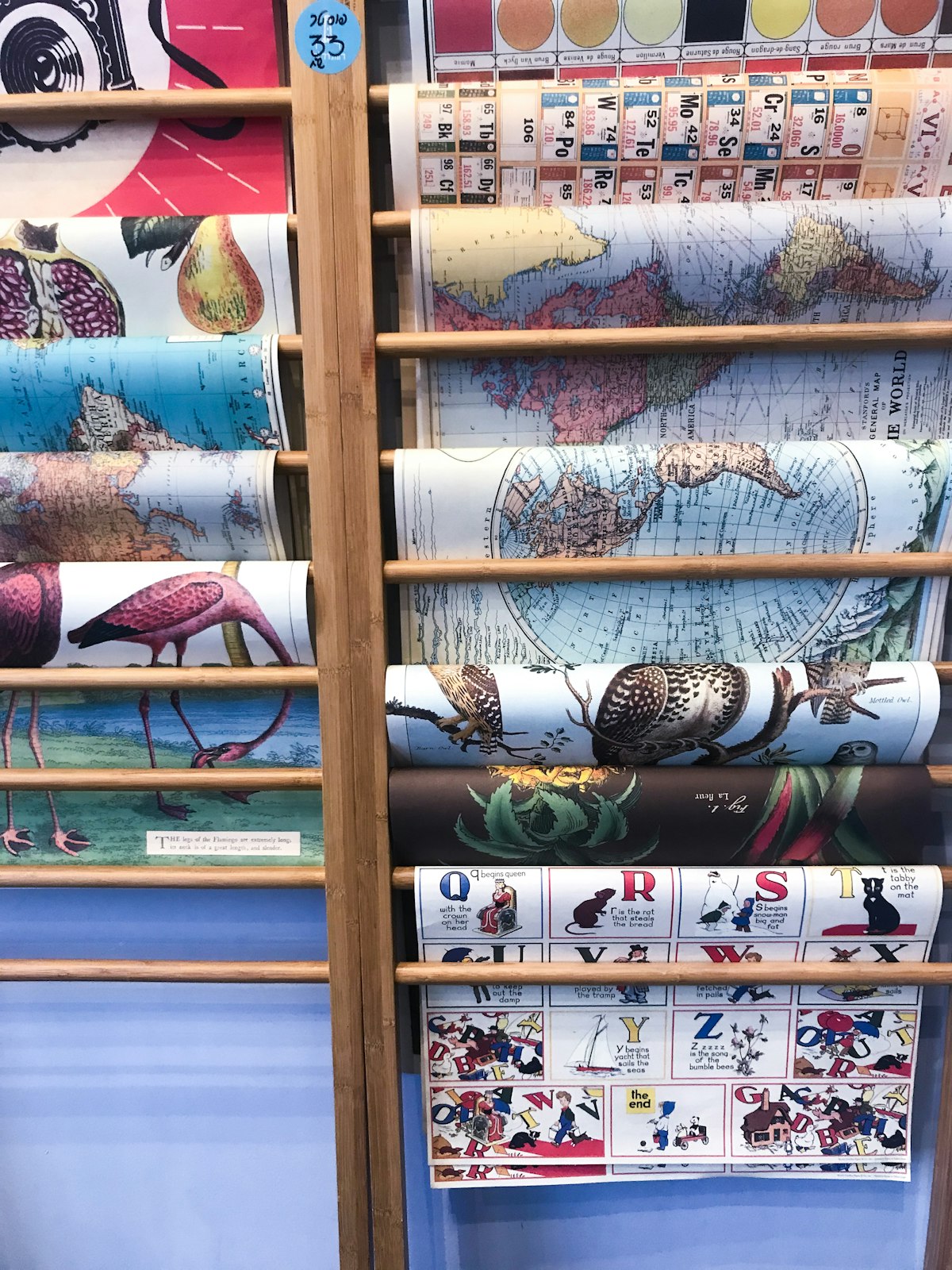
A small run of peel-and-stick wallpaper, tucked behind a bookshelf or inside a nook, gives the pattern impact of wallpapering a whole wall at a fraction of the material cost and with no long-term commitment. Measure the visible area only, not the full wall, before ordering.
5. Hang a Tapestry or Fabric Panel Instead of Framed Art
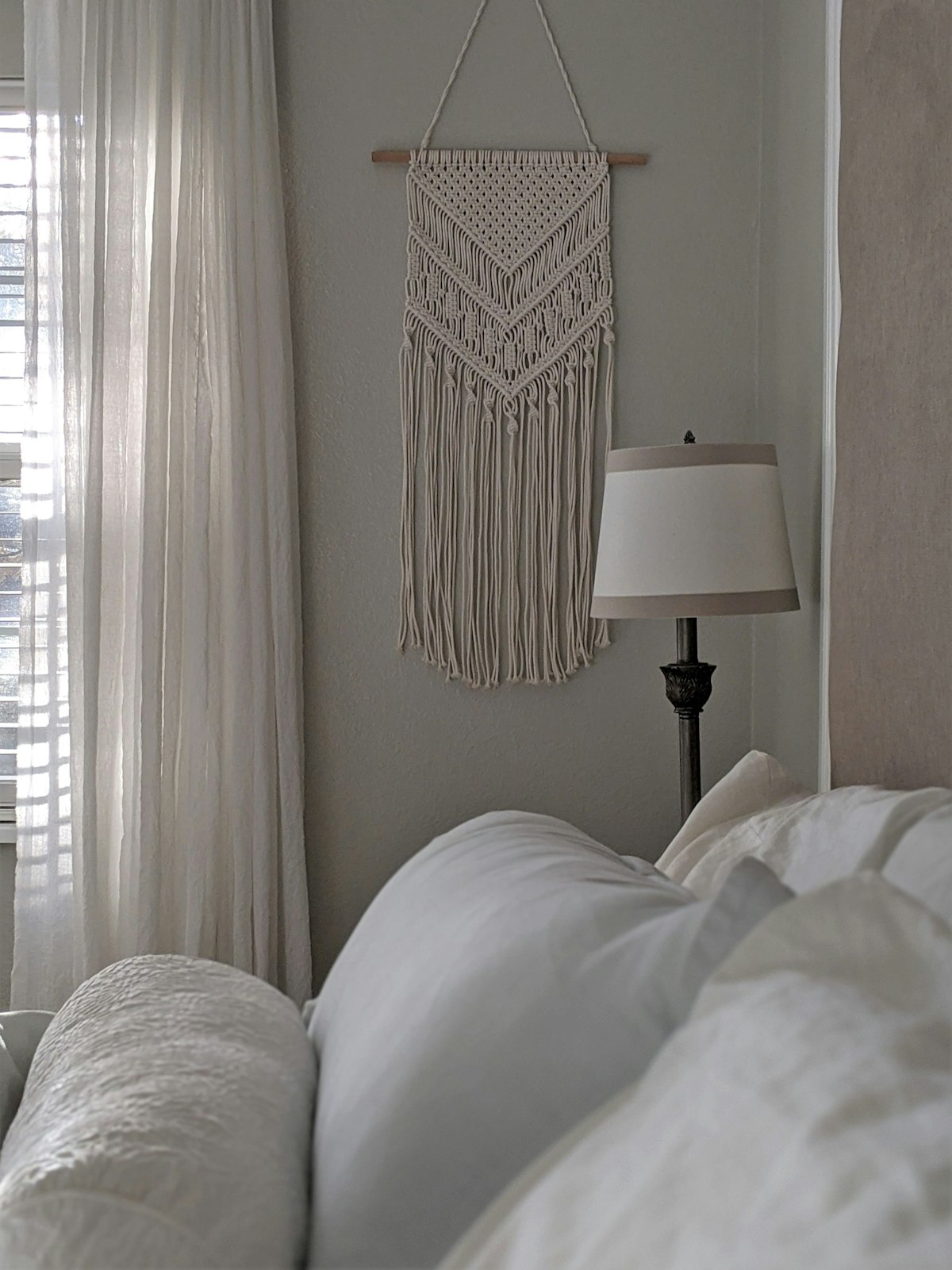
A large tapestry or a yard of patterned fabric stretched over cheap stretcher bars covers more wall space per dollar than any framed print. It needs only a few finishing nails to hang. This is the fastest way to fill a bare wall over a bed or sofa on a tight budget.
Furniture and Secondhand Finds for Economy Home Decor
Furniture is where most economy home decor budgets get wasted on the wrong priorities, so this is the section worth reading twice before you buy anything new.
6. Buy the Big Pieces Secondhand First
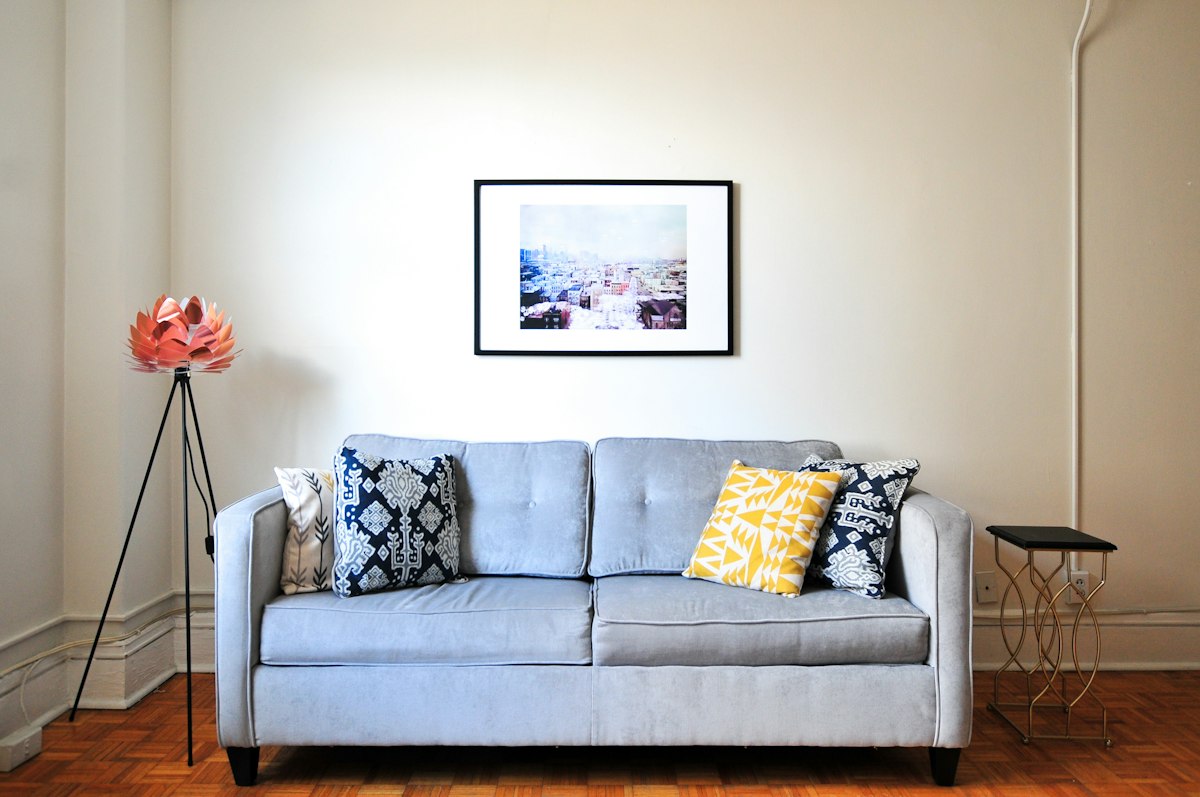
Spend your real budget on one or two large secondhand pieces, like a sofa or dining table. These set the tone for the whole room and are the most expensive to buy new. Check listings in the evening when new posts go up, and bring a tape measure so you do not have to guess at fit.
7. Rearrange What You Already Own
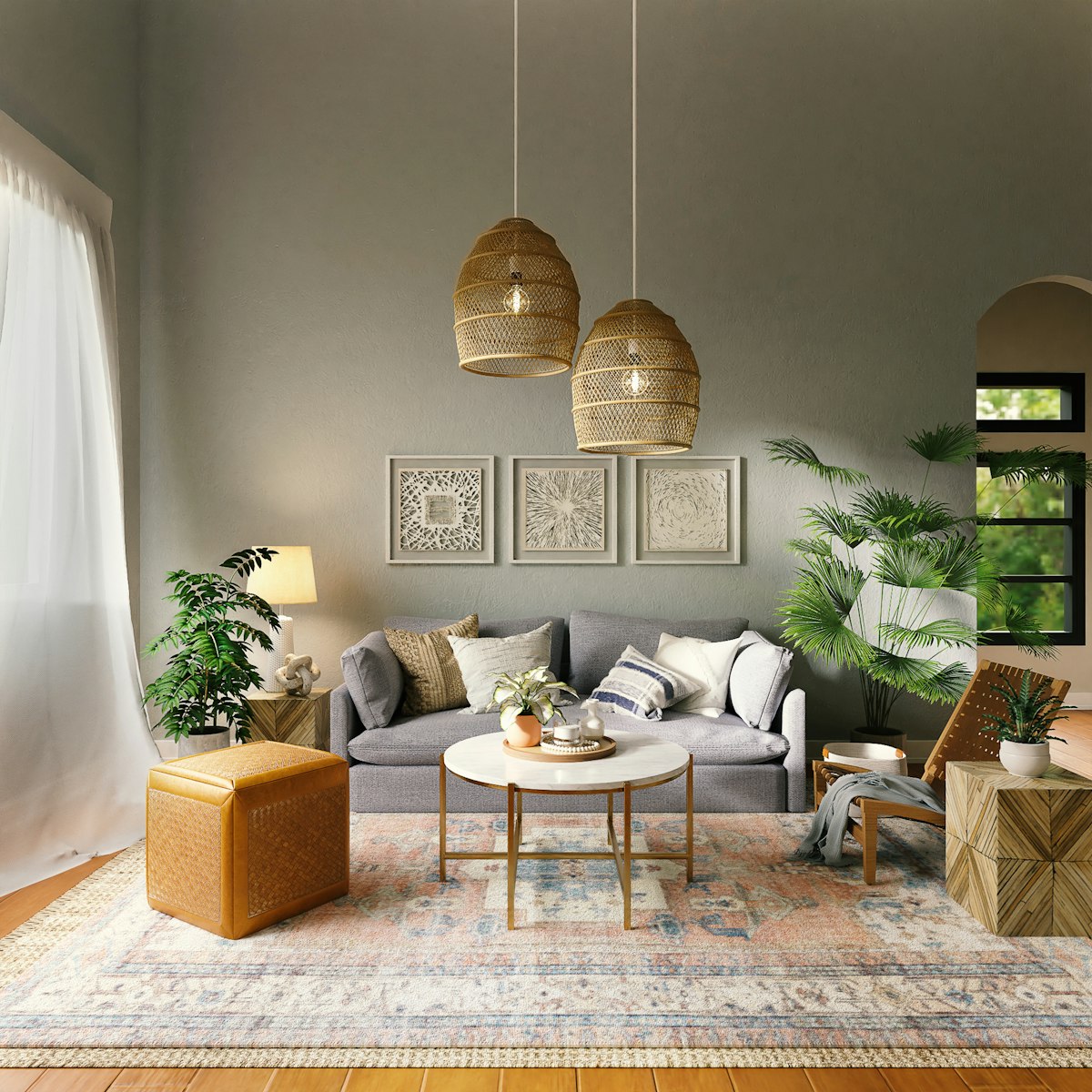
Before buying any new furniture, try at least two different layouts with your current pieces. Floating the sofa away from the wall, swapping which chair sits by the window, or moving a dresser to a different room costs nothing. It often solves the “this room feels off” problem that people try to fix by buying something new.
Lighting and Small Upgrades That Read Expensive
8. Layer Three Light Sources Instead of One Overhead Bulb
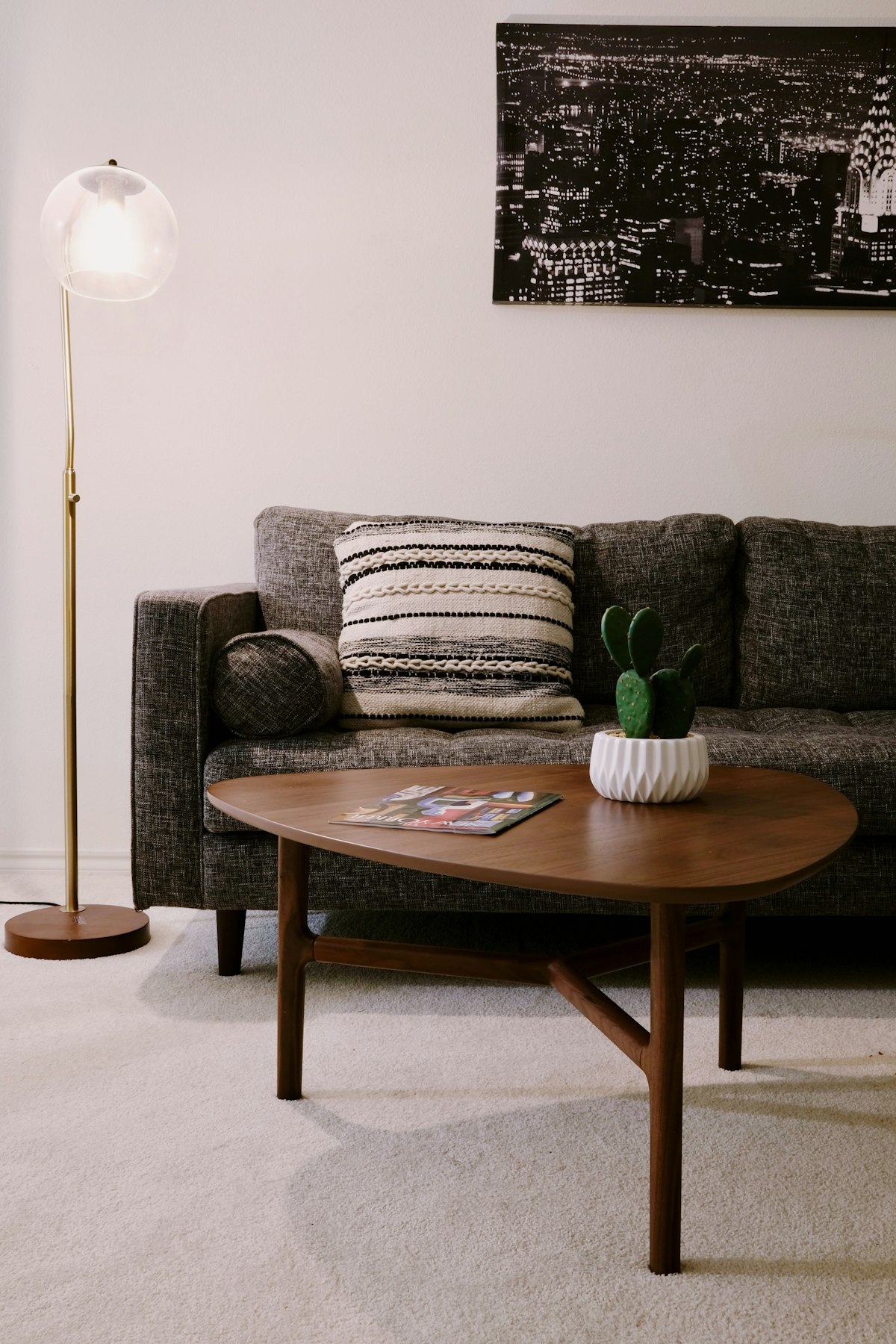
A single ceiling fixture is the biggest giveaway of an undecorated room. Add a floor lamp, a table lamp, and one smaller accent light, and turn the overhead light off entirely in the evening. This single change does more to make a room feel finished than almost any purchase.
9. Swap Cabinet Hardware and Switch Plates
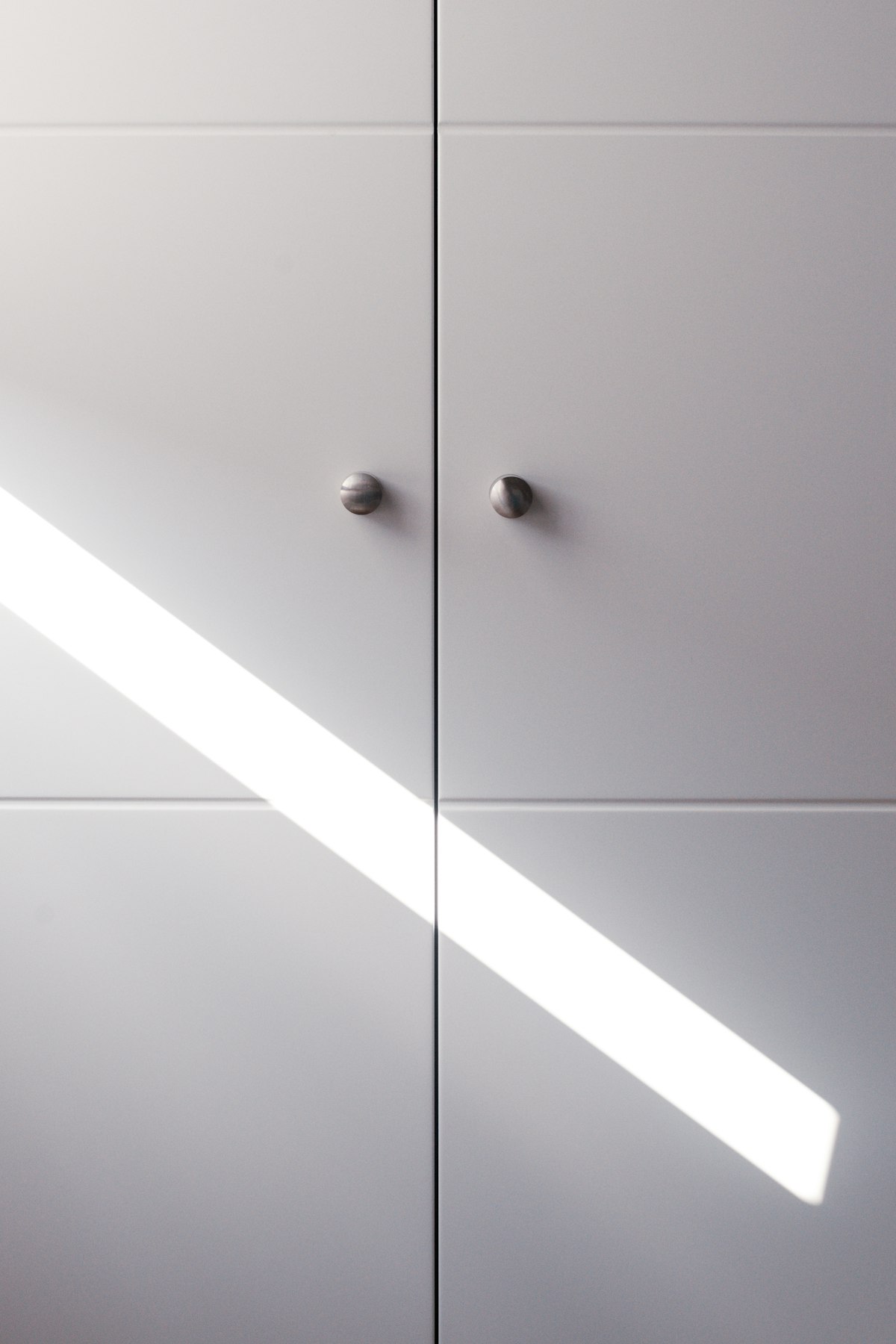
New knobs, pulls, and switch plates cost a few dollars each but touch every surface someone’s hand actually interacts with. A kitchen or bathroom with dated brass hardware looks instantly newer with a $20 set of matte black or brushed nickel replacements, no other changes required.
Textiles and the Finishing Touches in Economy Home Decor
The last layer of any economy home decor plan is texture, since fabric and plants finish a room for less than a single piece of furniture would cost.
10. Add Texture With Budget Textiles
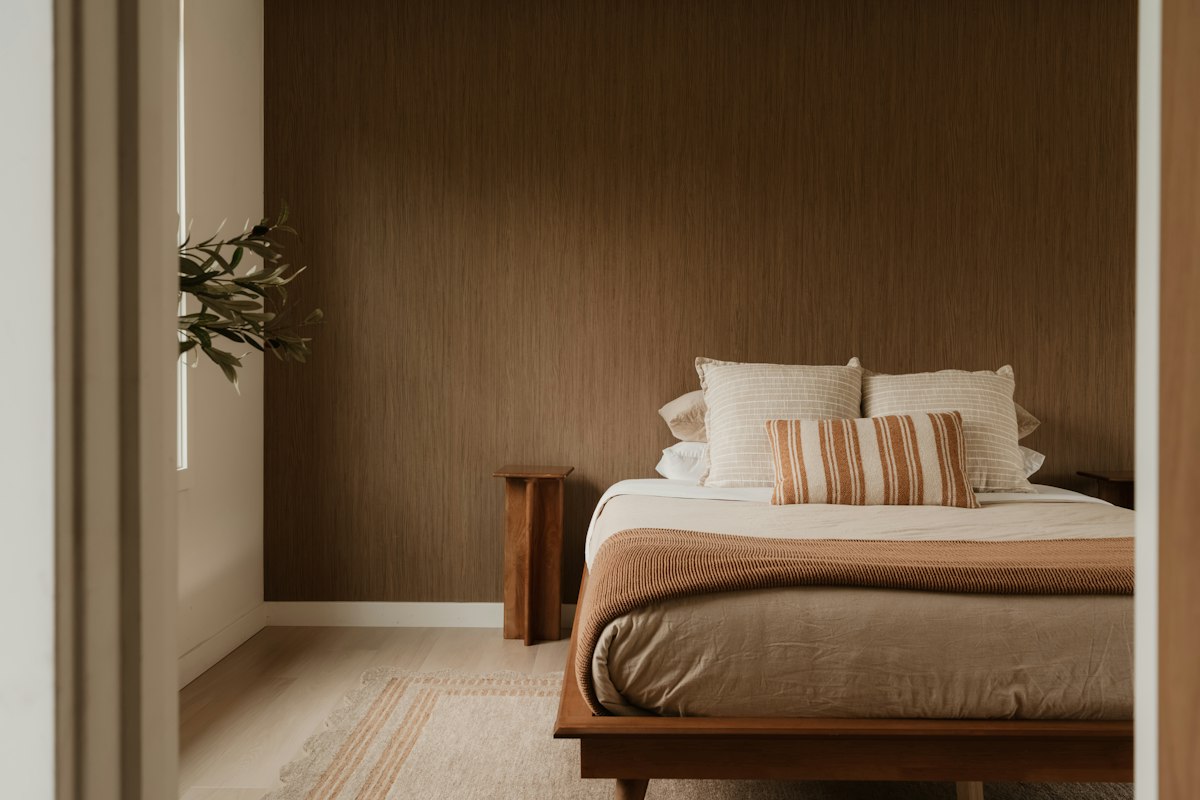
A textured throw, a few pillow covers in a mixed-but-coordinated pattern, and a plain area rug do more to soften a room. They cost far less than another piece of furniture would. Buy pillow covers rather than full pillows when you already have inserts at home, since covers cost a fraction of the price.
11. Bring In One or Two Real Plants, Not Five Fake Ones
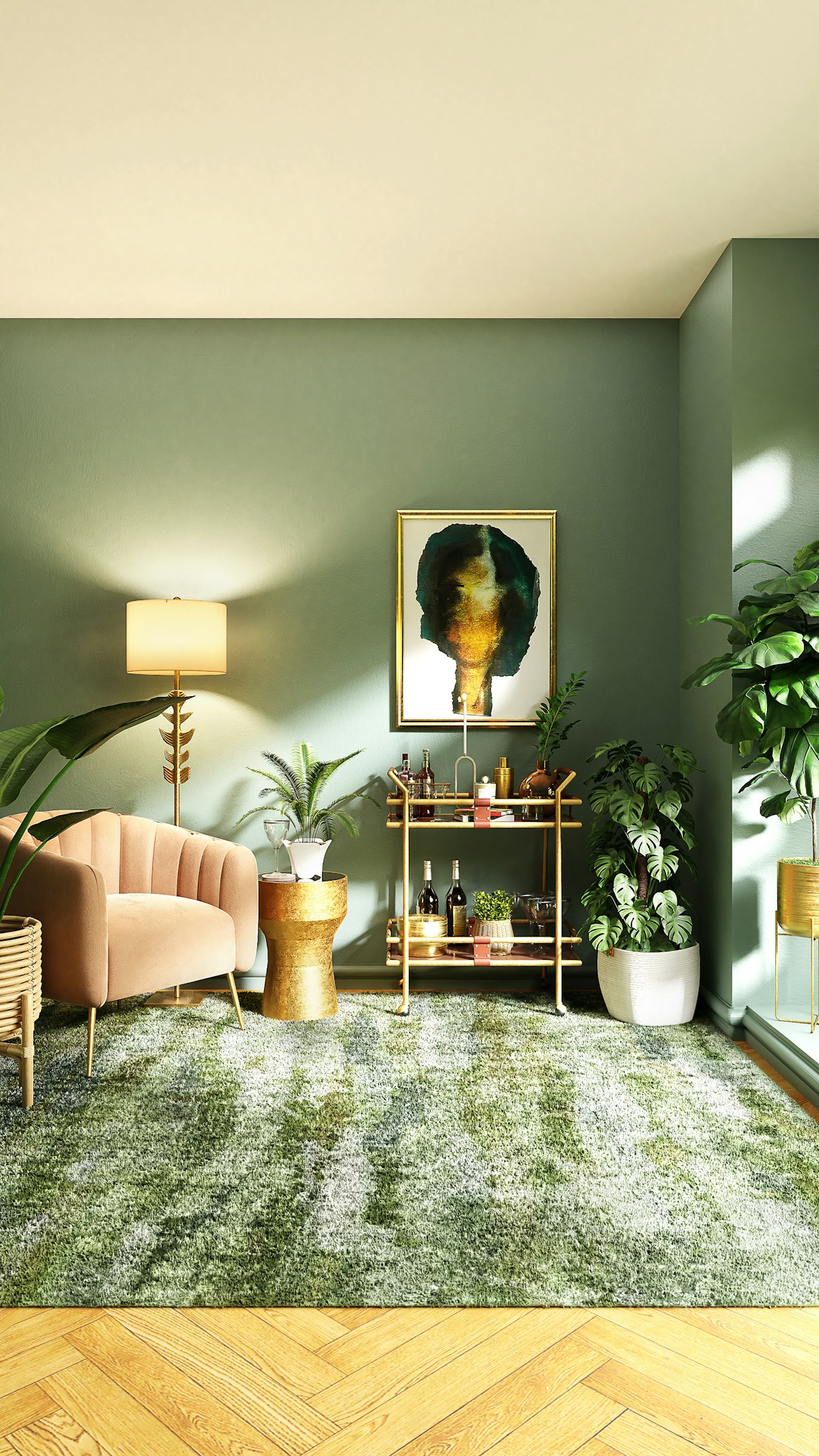
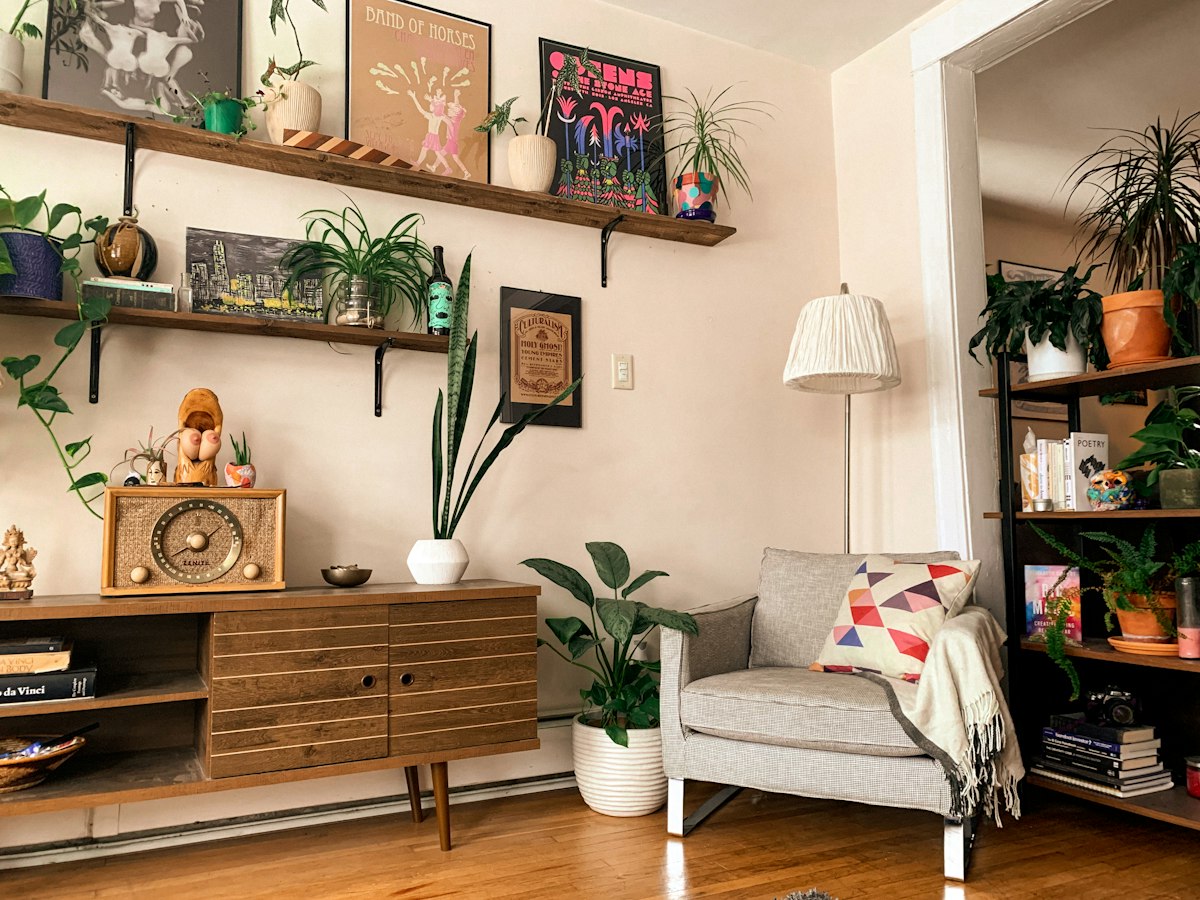
A single healthy plant in a plain pot reads as more intentional than a cluster of artificial greenery. Pothos and snake plants are inexpensive, forgiving of low light, and widely available. They are the easiest way to add life to a room for under ten dollars.
12. Edit Down to One Statement Piece Per Room
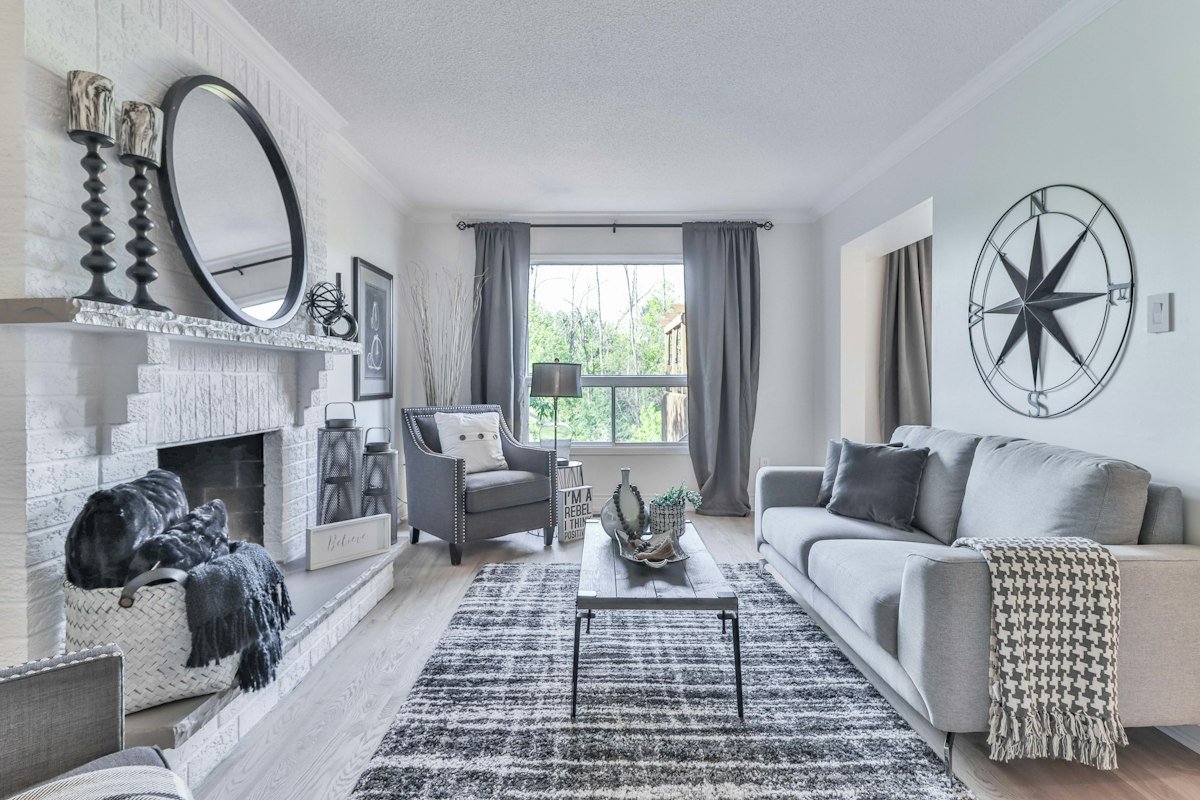
The difference between a room that looks cheap and one that looks curated is usually not the amount spent, it is the amount of stuff. Pick one piece per room, like a bold mirror or a single oversized plant, and let everything else stay simple around it. A room with five small, scattered purchases almost always reads as cluttered rather than cheap. A room with one clear focal point reads as intentional.
Quick-glance recap
✅ Shop your own house and set a per-room budget before buying anything
✅ One accent wall or a tapestry beats a full repaint or framed art on cost
✅ Spend real money on one or two secondhand furniture pieces, not many small ones
✅ Layer three light sources and swap hardware for an instant, cheap upgrade
✅ Edit down to one statement piece per room instead of filling every surface
Frequently Asked Questions
What is the cheapest way to decorate a house?
Rearranging furniture and decor you already own is the cheapest option, since it costs nothing. After that, a single accent wall of paint, secondhand furniture, and layered lamp lighting give the most visual impact per dollar spent.
How can I make my home look expensive on a budget?
Limit each room to one clear statement piece, keep the color palette consistent across rooms, add texture through textiles rather than more objects, and replace a single overhead light with several smaller, layered light sources.
How do I decorate my house with little to no money?
Start by shopping your own house: move art, lamps, and accessories between rooms to see them with fresh eyes. Rearranging furniture, decluttering, and editing down what is already out are all free changes that have a real visual effect.
Is it cheaper to DIY decor or buy it secondhand?
For large items like furniture, secondhand is almost always cheaper than DIY once materials and tools are factored in. For smaller accents like pillow covers, painted frames, or wall art, DIY is usually the cheaper route since materials cost little and no labor is paid for.
Economy home decor comes down to a handful of repeatable moves. Spend on fewer, bigger things instead of many small ones. Use paint and fabric to cover more visual ground than furniture can, and let lighting do work that most people only assign to purchases. For more budget-friendly ways to furnish a smaller space, see our DIY room decor ideas for small apartments and our small living room ideas for apartments.