Most old world home decor guides describe the look in adjectives, rich, regal, muted. They don’t say which wall finish to use, which room to start in, or where to actually buy the pieces that make it work. This guide skips the mood board language. It covers 12 specific changes organized by wall treatment, room, lighting, and sourcing. You’ll know exactly what to do and roughly what it costs.
Walls and Finishes That Carry the Look
1. Apply a Two-Tone Venetian Plaster Finish Instead of Flat Paint
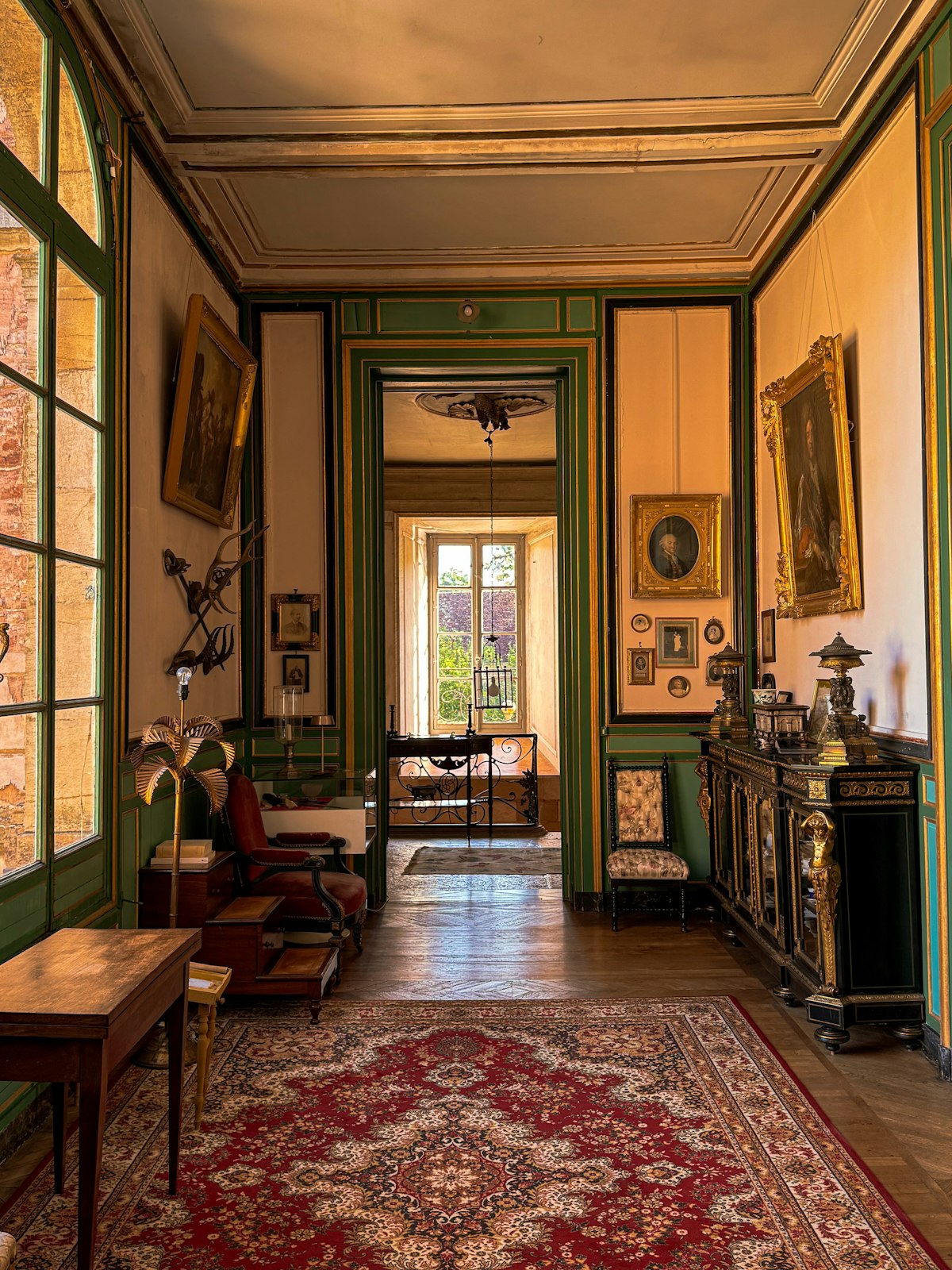
Apply a base coat of tinted Venetian plaster with a trowel in thin, overlapping arcs, then let it dry for a few hours. Burnish the surface with a clean trowel held at a low angle to bring out a soft sheen in the high spots while the low spots stay matte. This variation in sheen is what reads as old world home decor rather than a flat accent wall. A single gallon kit of tintable Venetian plaster runs about $60 to $90 and covers roughly 100 to 150 square feet.
2. Paint the Room in a Muted, Saturated Color From the Old World Palette
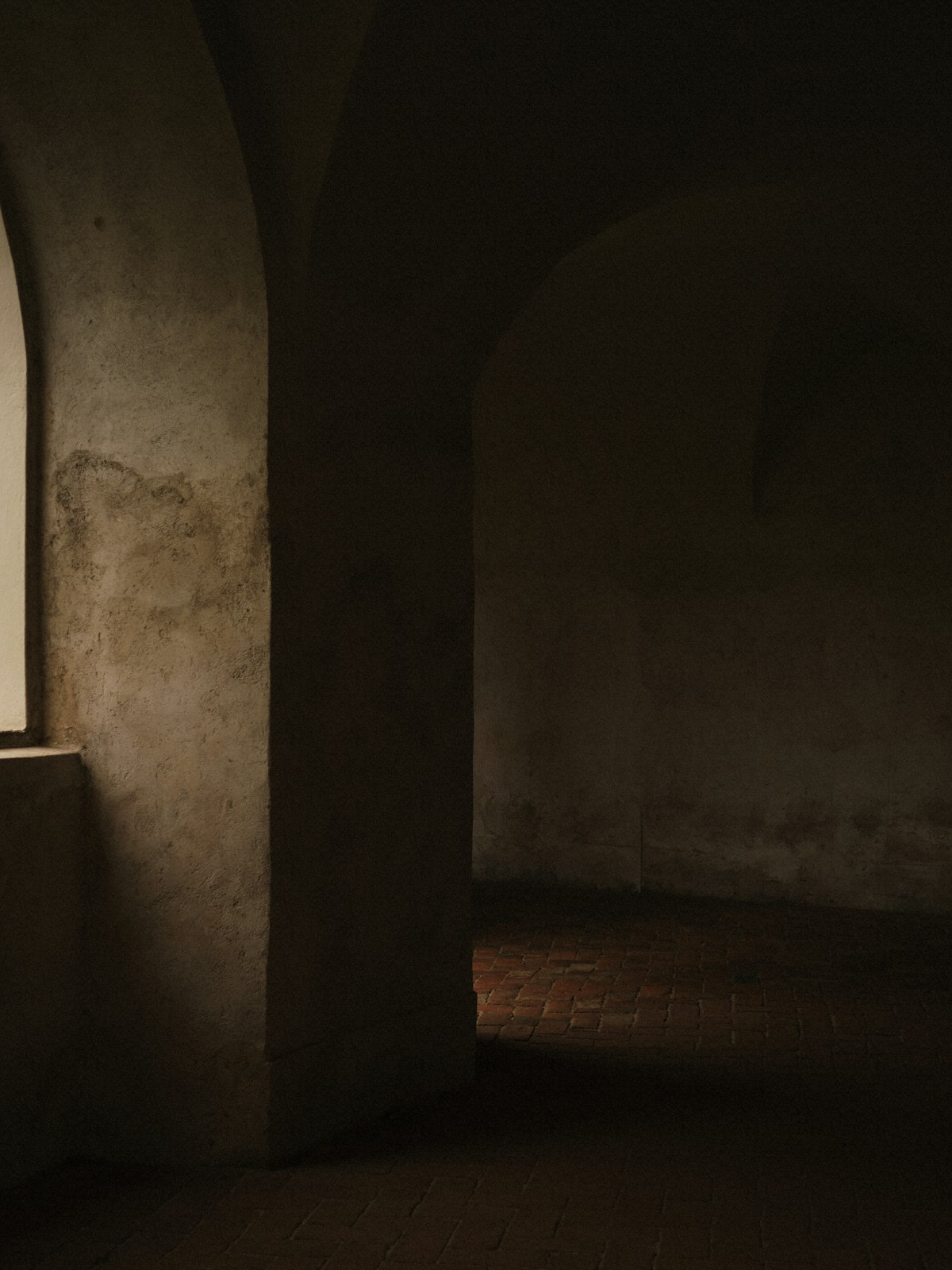
Choose one wall color from the historically accurate old world home decor range: deep burgundy, ocher, forest green, or aged navy. Use a matte or eggshell finish rather than satin or semi-gloss, since any shine reads as modern. A gallon of a muted designer color typically costs $45 to $65 and covers one accent wall or a full small room.
Old World Home Decor Room by Room
3. Living Room: Layer a Tapestry Rug Under a Carved Wood Coffee Table

Center a wool tapestry-pattern rug under the seating area so it extends at least 18 inches past the front legs of the sofa. Then place a dark-stained, carved wood coffee table in the middle rather than a glass or metal one. A 5×8 tapestry-style rug runs $150 to $400 depending on wool content. A secondhand carved wood table from an estate sale or resale shop typically costs $80 to $200, versus $500 or more new.
4. Kitchen: Pair Terra Cotta Tile With Hammered Copper Fixtures
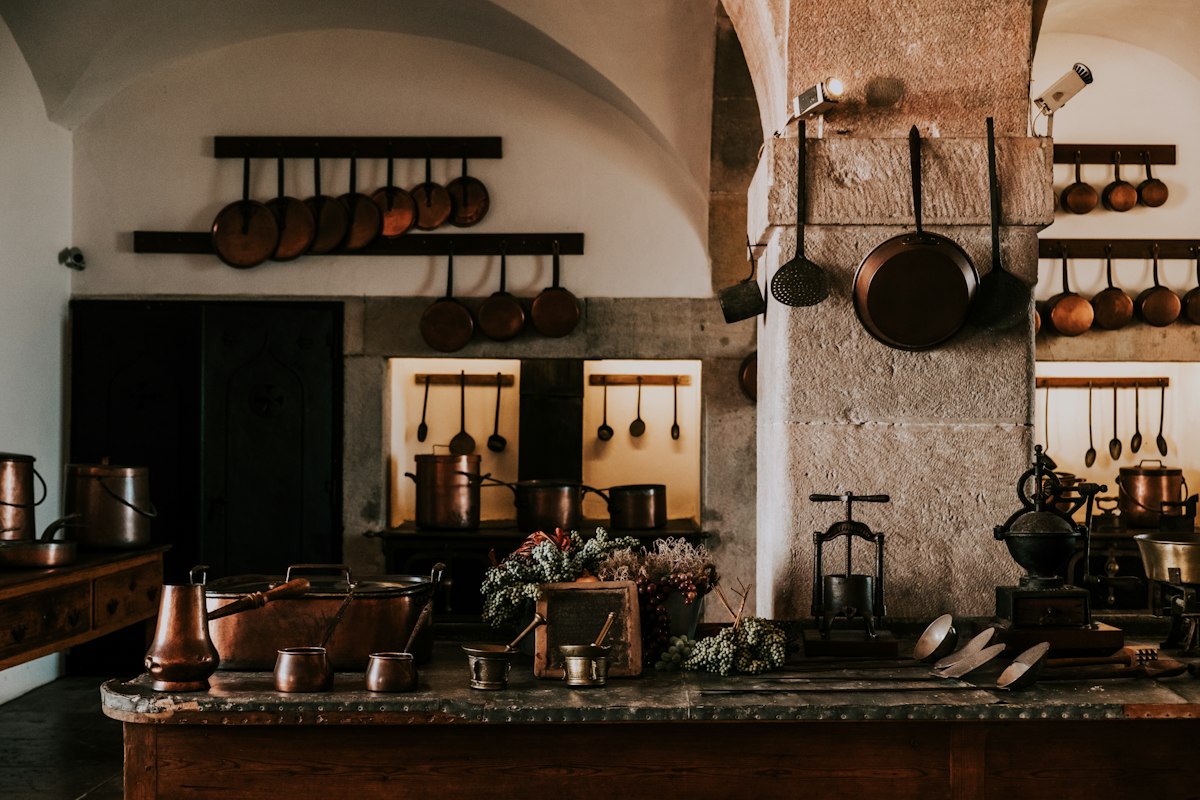
Use terra cotta or terra cotta-look porcelain tile on the floor or as a backsplash. Then swap the sink faucet and cabinet pulls for hammered copper or oil-rubbed bronze finishes rather than chrome or brushed nickel. Terra cotta-look porcelain tile runs $4 to $8 per square foot installed, much less than real terra cotta. A set of copper-finish cabinet pulls for an average kitchen costs $80 to $150.
5. Bedroom: Build the Bed Around a Carved Wood or Iron Headboard
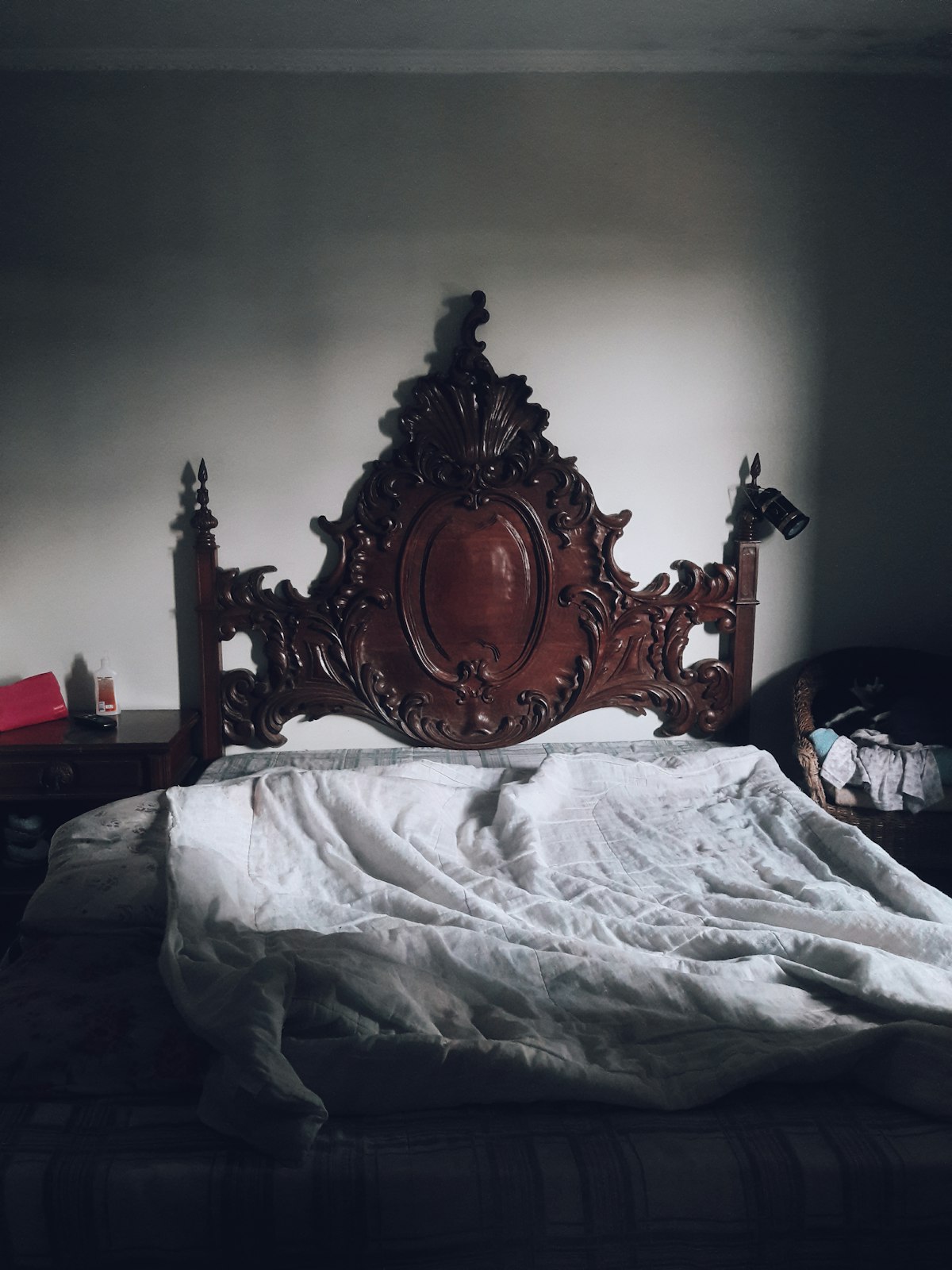
Choose a headboard with visible carving, scrollwork, or wrought iron detailing as the room’s anchor piece. Keep the bedding simple. A damask or jacquard duvet in one muted tone works well, so the headboard stays the focal point instead of competing with a busy print. A carved wood or iron queen headboard from a resale source runs $100 to $300, compared to $400 or more new.
6. Entryway: Anchor the Space With a Console and a Gilt Mirror
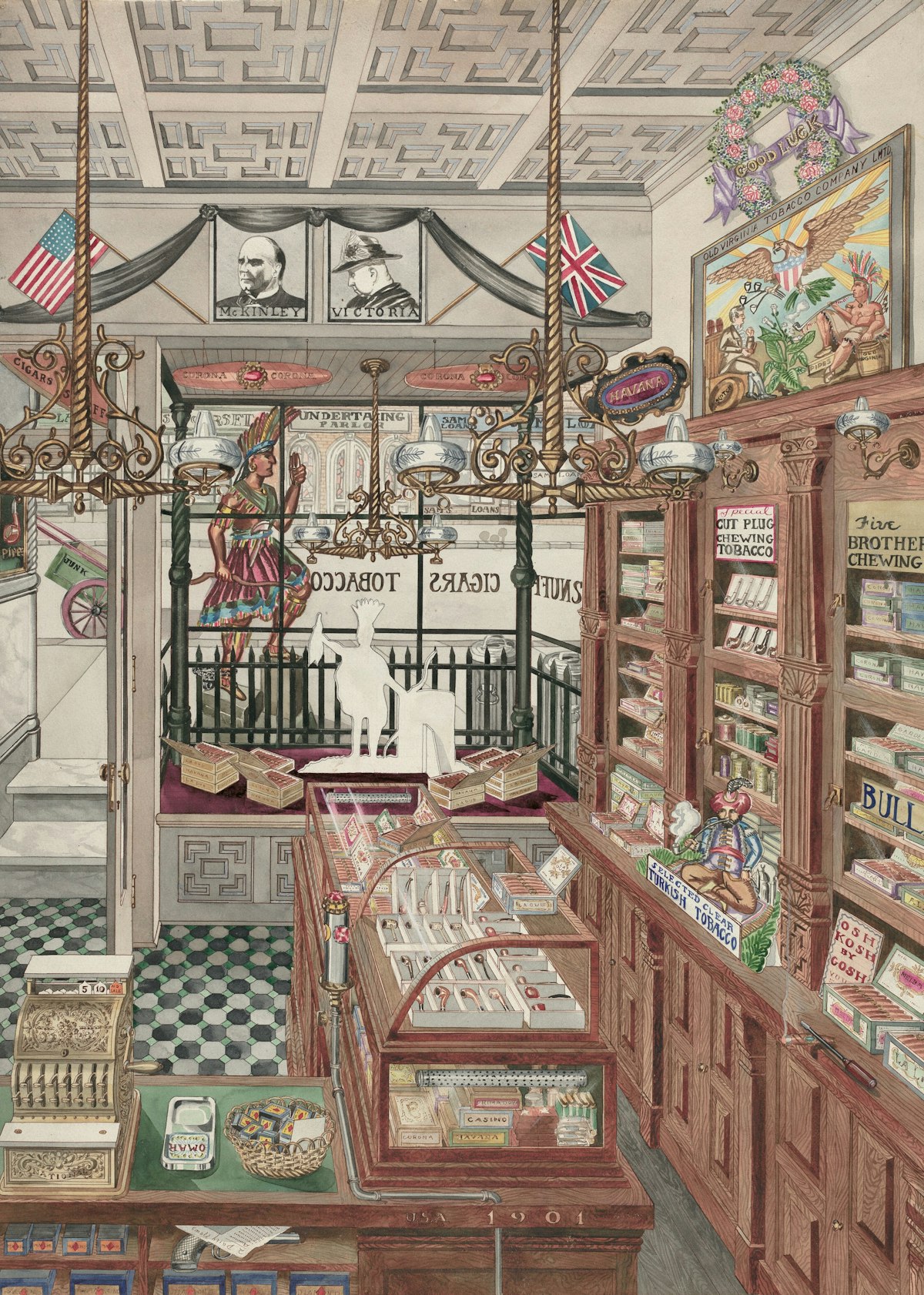
Place a dark wood or wrought-iron console table against the main entry wall. Hang a gilt-framed mirror directly above it, centered, with the bottom edge about 6 to 8 inches above the console top. This combination is the single fastest way to signal old world home decor the moment someone walks in. A secondhand console plus a thrifted gilt mirror together typically cost $150 to $350.
Lighting and Hardware With Old World Character
7. Replace a Flush-Mount Fixture With a Wrought Iron Chandelier
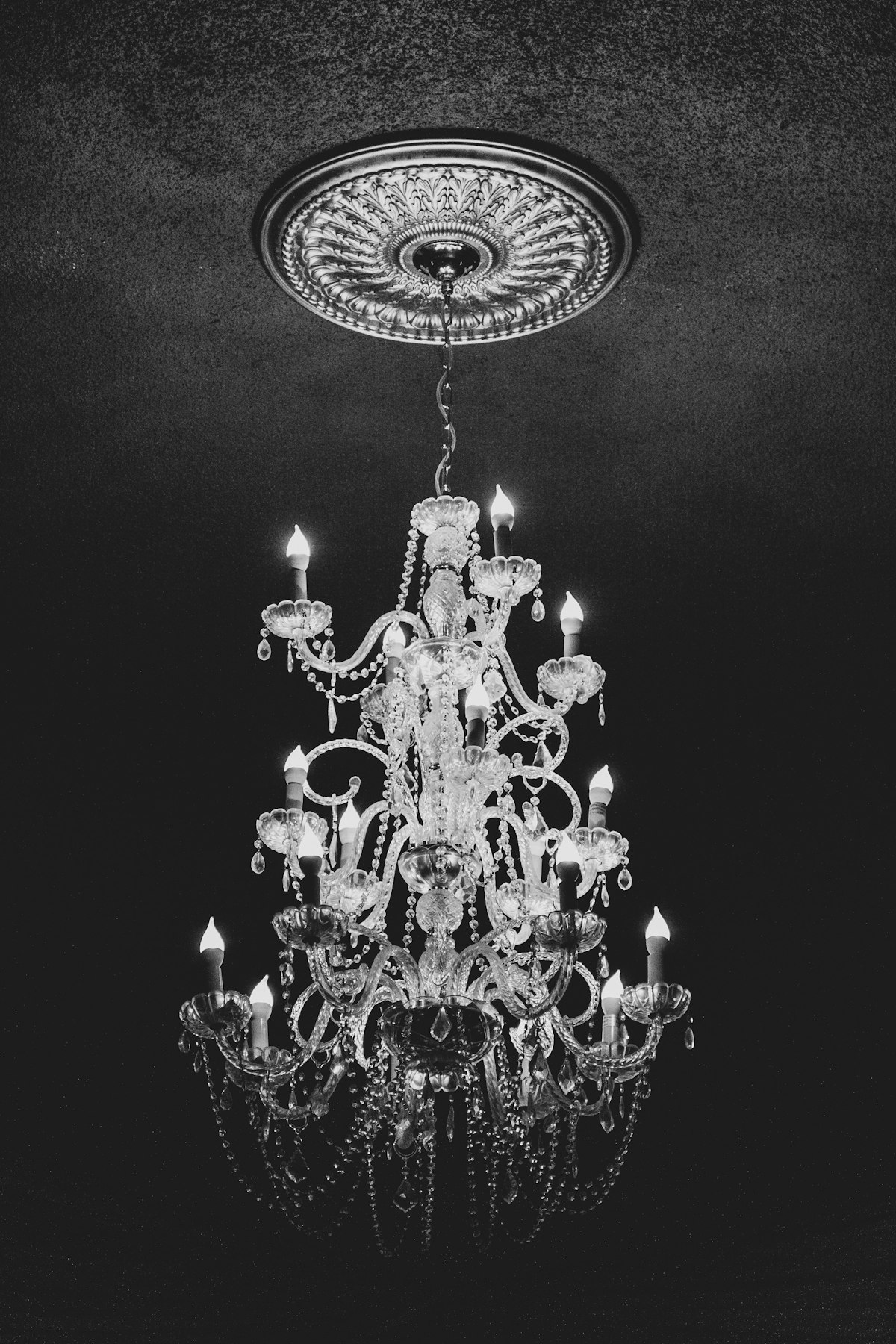
Swap a builder-grade flush-mount or ceiling fan light for a wrought iron chandelier with candle-style bulbs. Hang it so the bottom sits at least 7 feet from the floor in a dining room or entry. A mid-size wrought iron chandelier runs $150 to $400. Most homeowners can swap it onto an existing ceiling box in under an hour. Hire an electrician only if the box needs to be relocated.
8. Swap Builder-Grade Hardware for Hand-Forged Pulls and Hinges

Replace plain brushed-nickel or chrome cabinet pulls and door hinges with hand-forged or cast iron versions in a dark, matte finish. Work through one room at a time before moving to the next. A full set of hand-forged pulls for a kitchen or bathroom runs $100 to $200. Doing one room at a time keeps the cost manageable while still changing how the whole space reads.
Sourcing Old World Pieces Without Paying Antique-Store Prices
9. Shop Estate Sales and Architectural Salvage Yards First
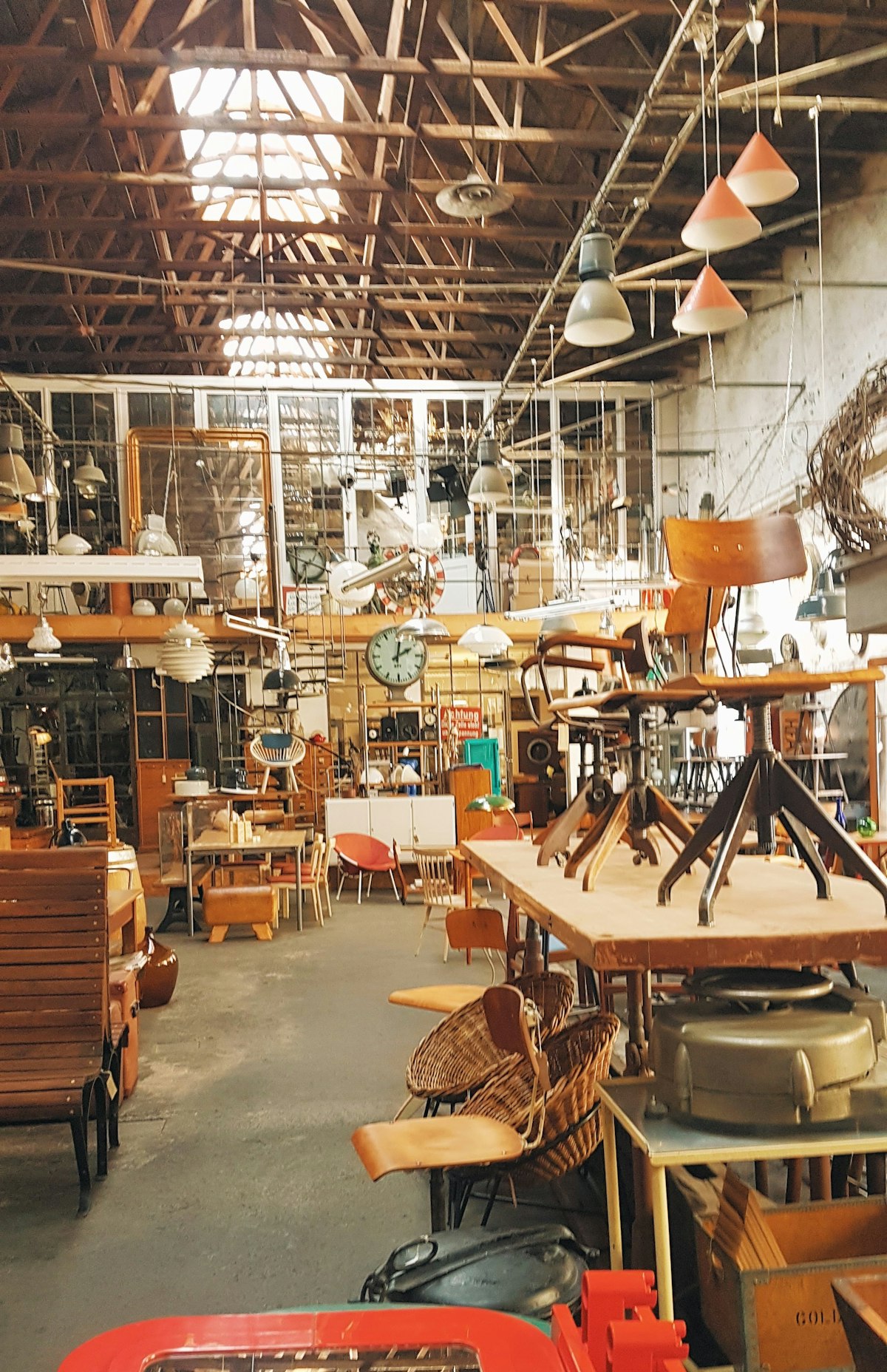
Check estate sale listing sites and local architectural salvage yards before buying anything new. Both routinely carry carved wood furniture, wrought iron pieces, and reclaimed beams at 50 to 70 percent below retail antique-store prices. Salvage yards are also the best source for reclaimed ceiling beams and corbels. These cost $300 to $800 retail but often run $50 to $150 secondhand.
10. Mix One Real Antique With Several New Pieces in the Same Finish
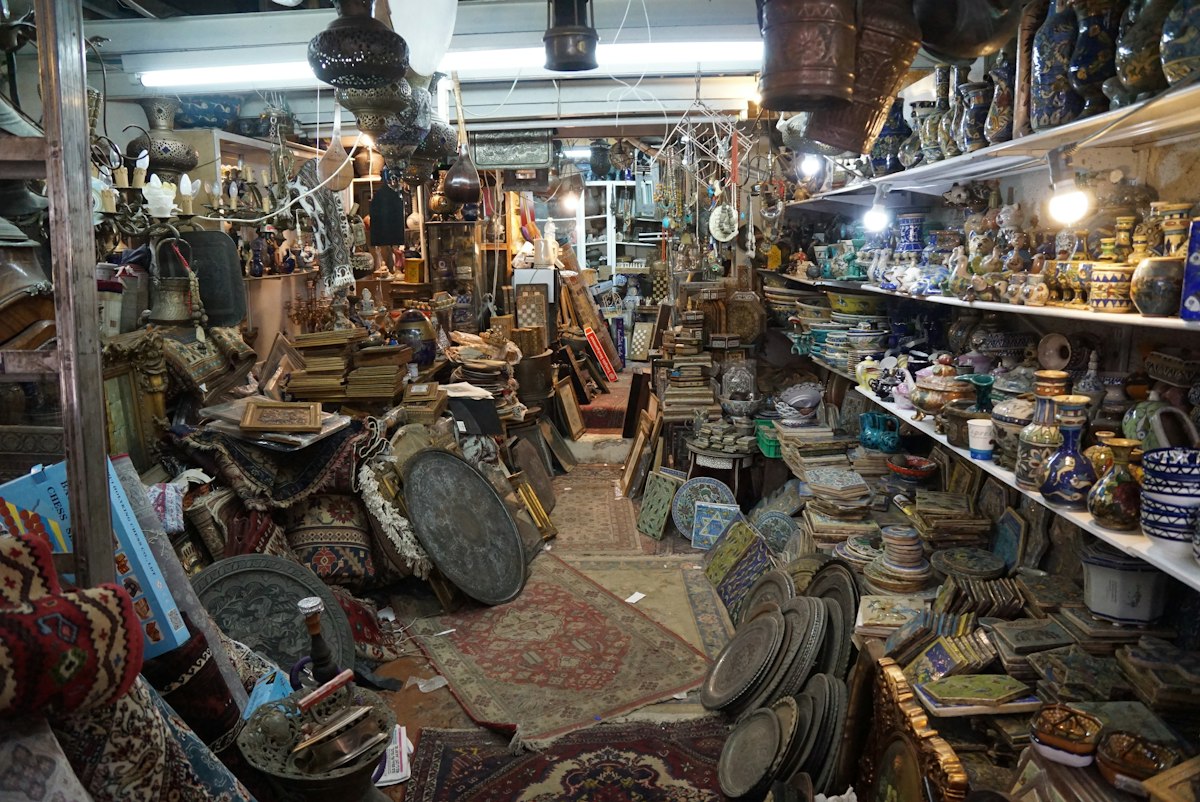
Buy one genuine antique or vintage piece as the anchor for a room: a chair, a mirror, or a side table. Fill the rest of the room with new furniture finished to match its wood tone or metal patina. This keeps total cost down while still giving the room an authentic old world home decor anchor point, instead of looking like an entirely reproduction set.
Avoiding the Mistakes That Make Old World Decor Look Dated
11. Keep Surfaces Matte and Textured, Never Glossy
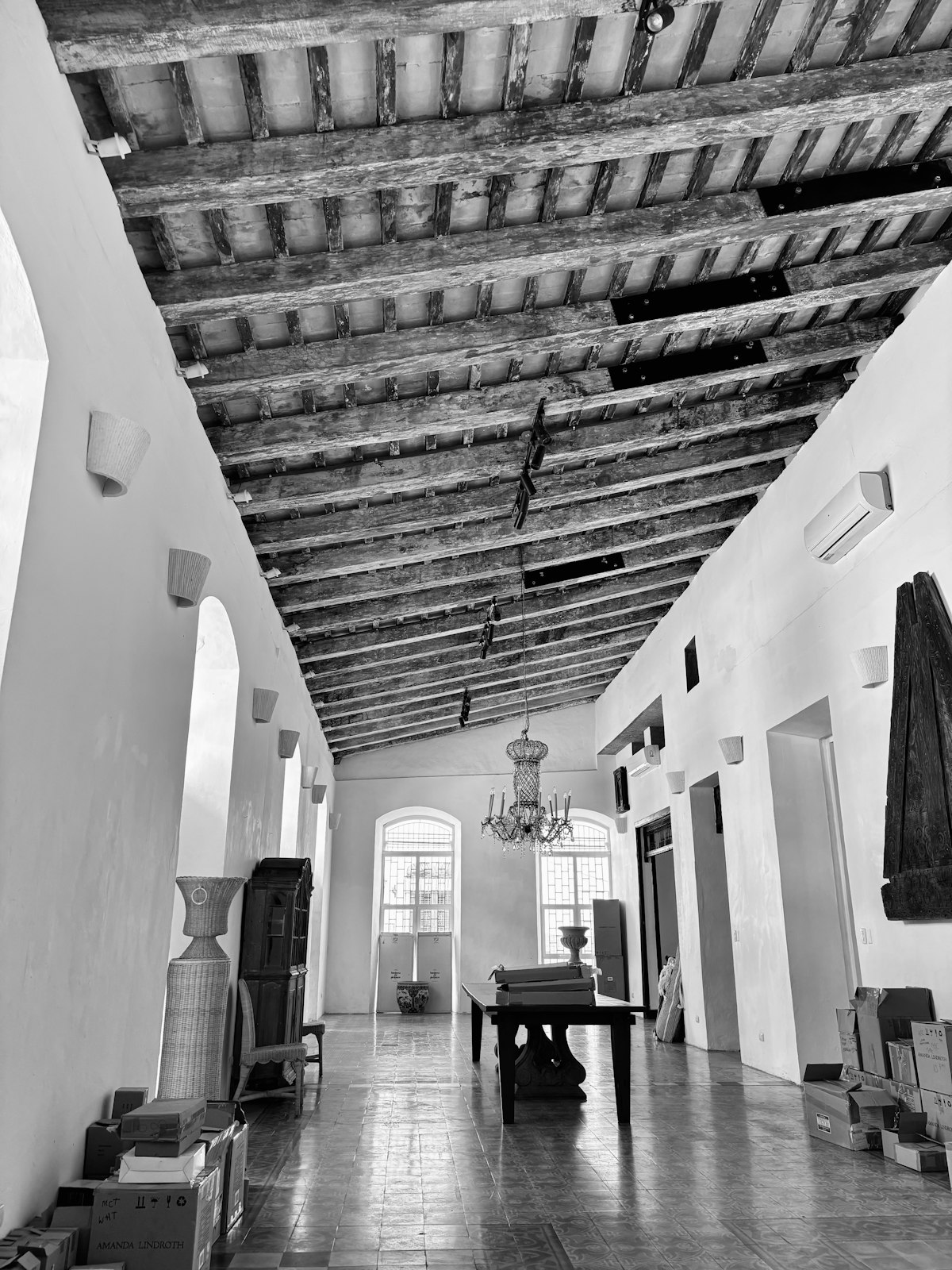
Check every new purchase, paint finish, hardware, tile, against one rule: if it has a reflective or glossy sheen, it will read as a 2000s remodel rather than old world home decor. Stick to matte, honed, distressed, or hand-forged finishes across paint, metal, and stone. The dated look is avoided almost automatically.
12. Limit the Palette to Three Core Colors Per Room
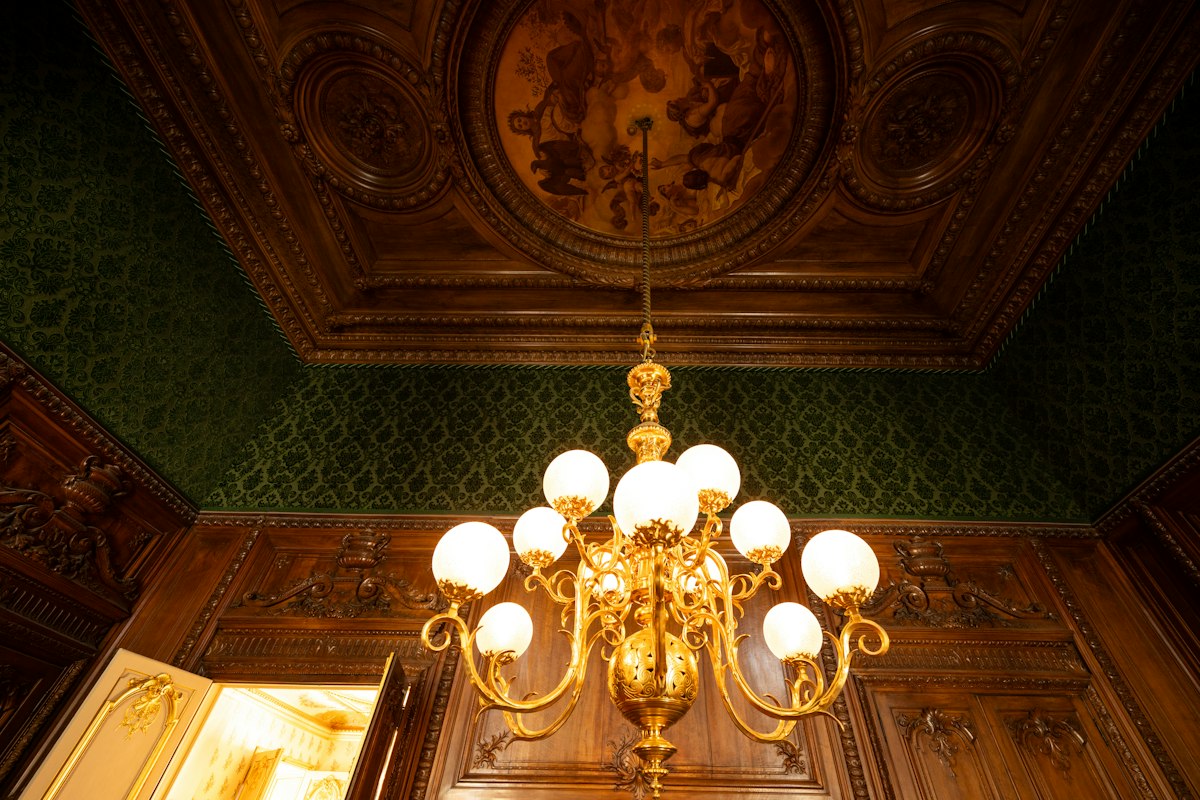
Pick one dominant wall or textile color, one metal finish, and one wood tone per room. Keep every new piece within that set rather than introducing a fourth or fifth color. Old world rooms that feel elegant rather than cluttered almost always stick to this three-color discipline, even though the style itself allows for rich pattern and texture.
Quick-glance recap
✅ Use plaster or matte paint in muted, saturated colors, never anything glossy
✅ Anchor each room with one carved wood or wrought iron piece, then build around it
✅ Shop estate sales and salvage yards first for 50 to 70 percent savings over antique stores
✅ Swap lighting and hardware to wrought iron, hand-forged, or copper finishes
✅ Limit each room to three core colors so the look stays elegant, not cluttered
Frequently Asked Questions
Is old world decor outdated in 2026?
No, old world decor isn’t outdated, but a dated version of it can be. That usually comes from glossy finishes, overly matched furniture sets, or too many colors in one room. The current version leans on matte textures, one antique anchor piece per room, and a limited palette, which reads as timeless rather than stuck in an earlier decade.
What’s the difference between old world decor and Tuscan decor?
Tuscan decor is a regional subset of old world style. It pulls specifically from Italian countryside color palettes like terracotta, olive, and sunflower yellow, along with wrought iron and rustic wood. Old world decor is the broader category and can also draw from French, Spanish, or English influences, with a wider color range that includes deep burgundy, navy, and forest green.
How do you get an old world look in your home on a budget?
Start with one room and one anchor piece bought secondhand from an estate sale or salvage yard. Add a muted paint color, then swap out hardware and lighting for matte or wrought iron finishes before buying any new furniture. Doing walls, one anchor piece, and hardware first typically costs $300 to $600 per room, and it changes the feel of the space more than buying a full new furniture set.
What colors work best for old world home decor?
Deep, muted, saturated colors work best: burgundy, forest green, ocher, aged navy, and warm cream. Use matte or eggshell finishes rather than anything glossy. These colors come from the historical European palette the style is based on, and they read as rich rather than dated when paired with matte textures and warm metal finishes.
Old world home decor comes down to a short list of repeatable choices: matte textured finishes, one anchor piece per room sourced secondhand, warm metal hardware and lighting, and a limited color palette. For more ways to add character to a room without a full remodel budget, see our economy home decor guide and our crochet home decor ideas by room.