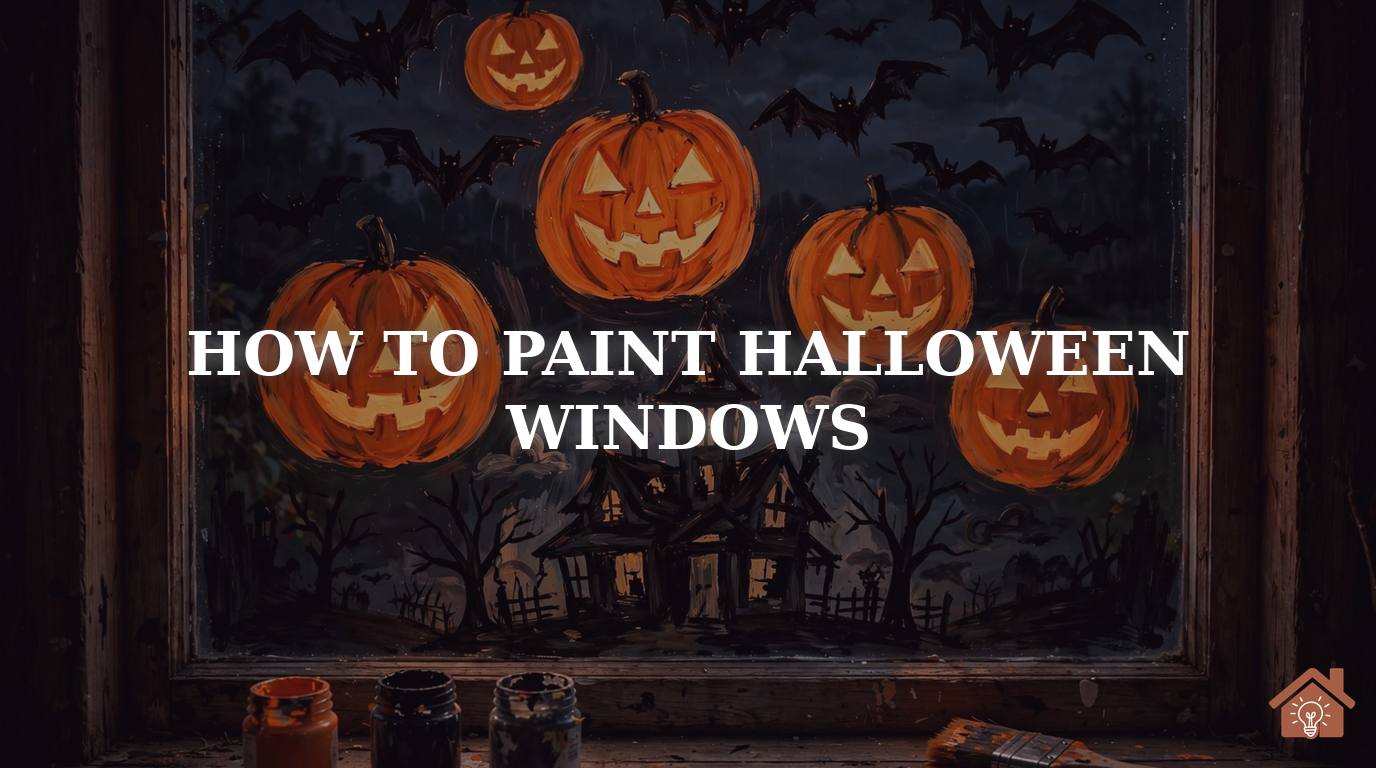
You want a painted Halloween window. But one thought stops you cold: what if it never comes off?
Maybe you rent. Maybe the glass is new. The idea of scrubbing paint in November while your landlord watches is enough to kill the fun before it starts.
Here is the good news. The right paint lifts off with a wet cloth in minutes. The wrong paint turns into a whole weekend of scraping. The difference is knowing which is which before you open a single jar.
This guide shows you exactly which paints wipe clean, how to put them on neatly, and the simple wipe-off method that leaves zero marks behind.
- Best overall pick: liquid chalk markers — bright, precise, and they wipe off glass with plain water.
- Best for big fills and kids: washable tempera paint — cheap, thick, and made to wash away.
- Golden rule: if the label says washable and water-based, it will wipe off. If it says permanent or acrylic, keep it far from your windows.
- Removal: warm water, a drop of washing-up liquid, and a microfibre cloth. No scraping, no chemicals.
Table of Contents
- 1. Why Some Window Paint Wipes Off and Some Does Not
- 2. The Best Paints for Glass (Tempera, Chalk Markers, Washable)
- 3. Paints to Never Use on Windows
- 4. Prepping the Glass in 5 Minutes
- 5. Brush Techniques for Clean Lines
- 6. Layering Colours Without Streaks
- 7. Touch-Ups and Fixing Wobbles
- 8. The Wipe-Off Method That Leaves Zero Residue
- FAQs
1. Why Some Window Paint Wipes Off and Some Does Not
It all comes down to what the paint is made of. Glass is smooth and non-porous, which means paint cannot soak in. Water-based paints simply sit on top of the surface, so water breaks them down again later. That is why a wet cloth is enough.
Oil-based and acrylic paints work differently. They contain resins that harden and grip the glass as they dry. Once cured, they bond like glue. That bond is great for a canvas you want to keep forever, and terrible for a window you want clean in November.
So the whole secret is on the label. Water-based plus washable means wipe-off. Anything with the words permanent, enamel, or 100% acrylic means it is staying put.
Read the label before you buy. If it says water-based and washable, it wipes off. If it says permanent, put it back on the shelf.
| Paint type | Wipes off? | Why |
|---|---|---|
| Washable tempera | Yes | Water-soluble binder, sits on glass |
| Liquid chalk markers | Yes | Chalk-based ink, made for glass |
| Acrylic craft paint | No | Plastic resin bonds to glass |
| Oil / enamel paint | No | Cures hard, needs solvents |
View this post on Instagram
Credit: @laceycrimeart
2. The Best Paints for Glass (Tempera, Chalk Markers, Washable)
You only need to know three products. Everything else is noise.
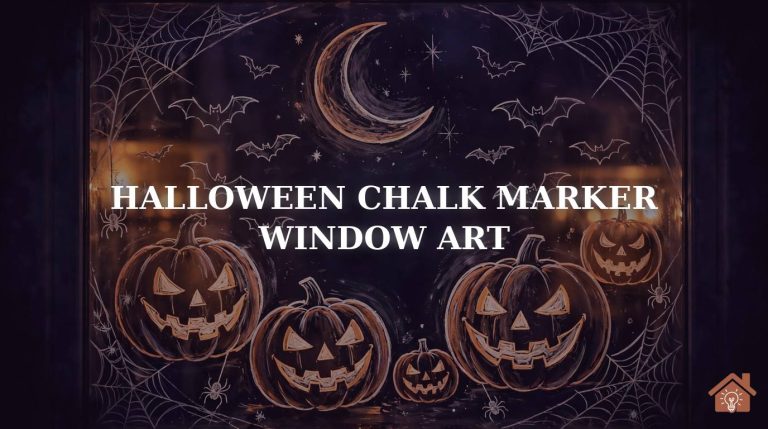
Liquid chalk markers are the top pick for most people. They draw like a pen, so you get neat lines with zero skill. The colours are bright, they dry fast, and they wipe off with a damp cloth. Buy a set with both thick and thin tips and you can do outlines and fills with the same pens. See our favourite chalk marker window art styles for what they can do.
Washable tempera paint is best for big areas of colour and for kids. It is thick, cheap, and brushes on smoothly. It washes out of clothes as well as off glass, which is a bonus if little hands are helping.
Washable poster paint sits between the two. It is thinner than tempera and good for soft, see-through effects like ghostly mist or moon glow. Whatever you choose, check the bottle says washable — not all tempera is.
If you buy one thing, make it liquid chalk markers. Easiest to control, brightest colours, and the fastest wipe-off of all three.
For more design inspiration once your supplies are ready, browse these Halloween window painting ideas to find a look you love.
View this post on Instagram
Credit: @grannychichome_
3. Paints to Never Use on Windows
Some paints will ruin your week. Learn them now so you never grab one by mistake.
- Acrylic craft paint — the number one offender. It looks harmless in the bottle but cures into a plastic film that grips glass hard.
- Oil-based and enamel paints — made for wood and metal, need white spirit to remove, and smell awful indoors.
- Spray paint — drifts everywhere, stains frames and sills, and bonds to glass fast.
- Permanent markers — the name says it all. Even the “removable” claims do not hold up on sun-baked glass.
- Glass paint sold as permanent — some glass paints are designed to be baked on forever. Only buy ones marked temporary or washable.
Professional sign painters use heavy-duty paints that last for years outdoors. That is exactly what you do not want on your living room window. Admire their skill, but do not copy their paint shelf.
If the label says “permanent”, believe it. No Halloween design is worth a ruined window.
View this post on Instagram
Credit: @coxsigns
4. Prepping the Glass in 5 Minutes
Clean glass makes paint stick evenly and wipe off cleanly. Dirty glass makes it patchy and harder to remove. Five minutes of prep saves you thirty minutes of frustration.
Spray the pane with glass cleaner or a mix of water and white vinegar, then wipe dry with a lint-free cloth. Any dust or grease left behind will show through light colours as dull spots.
Run painter’s tape along the frame edges so you get crisp borders without touching the wood or plastic. Lay an old towel on the sill to catch drips. That is the whole job — you are ready to paint.
Spray and wipe the glass clean
Dry it fully, no streaks
Tape the frame edges
Towel on the sill, then paint
View this post on Instagram
Credit: @paintcankeith
5. Brush Techniques for Clean Lines
Wobbly lines are the biggest giveaway of a rushed job. The fix is technique, not talent.
Start with a chalk outline. Sketch your design lightly on the glass first with a chalk marker or a dry piece of chalk. If the sketch looks wrong, wipe it and try again — it takes seconds. Paint only over lines you are happy with.
When you paint, use long smooth strokes instead of short dabs. Rest the edge of your hand lightly on the glass to steady yourself, and keep the brush loaded with just a little paint. Too much paint floods the line and bleeds outward.
Pick the right brush for each job: a flat brush for filling big shapes, a small round brush for outlines and details. One cheap set of five brushes covers everything you will ever need on a window.
Sketch in chalk first, paint second. Chalk wipes off in one swipe, so your “mistakes” never touch paint at all. If you can trace, you can paint clean lines.
Prefer cutting shapes instead of painting them? Learn how to make Halloween window silhouettes for a no-brush alternative.
View this post on Instagram
Credit: @brookiebressler
6. Layering Colours Without Streaks
Streaks happen when wet paint gets dragged over half-dry paint. The cure is patience and thin coats.
Paint your dark outlines first and let them dry fully — about ten to fifteen minutes for tempera. Then fill the shapes with colour. Light colours go on before dark ones, because dark paint covers light mistakes but not the other way round.
- Two thin coats beat one thick coat. Thick paint cracks and peels unevenly.
- Do not overwork wet paint. Lay it down and leave it. Fiddling creates streaks.
- Work top to bottom. Gravity pulls drips down onto dry areas, not wet ones.
- Let each layer dry. Touch it lightly — if it feels cool or tacky, wait longer.
Chalk markers barely need layering at all, which is another reason beginners love them. One pass is usually opaque enough, and a second pass after a minute of drying fixes any thin spots.
Want your finished art to shine after dark too? See how to make your window silhouettes glow with simple backlighting.
View this post on Instagram
Credit: @paintbymish
7. Touch-Ups and Fixing Wobbles
Here is the best part of washable paint: mistakes are free. Nothing you do is permanent, so fix things without fear.
For small slips, wrap a damp cotton bud around your finger and wipe the wobble away while the paint is still wet. The line underneath stays perfect. For bigger mistakes, wipe the whole section with a damp cloth and repaint it — it takes a minute and looks brand new.
Dried drips come off with an old gift card or your fingernail. Slide it gently under the drip and it pops off the glass in one piece. Never use a razor blade or metal scraper, which can scratch the pane.
Step back every so often and look at your work from a few feet away. Small wobbles you can see up close vanish at normal viewing distance. Do not chase perfection nobody else will notice.
View this post on Instagram
Credit: @lifewithtinyhumans
8. The Wipe-Off Method That Leaves Zero Residue
November arrives, the fun is over, and now the moment of truth. Done right, your window looks like you never touched it.
Fill a bowl with warm water and add a single drop of washing-up liquid. Soak a soft cloth, wring it lightly, and lay it over the painted area for two minutes. The water softens the paint so it releases instead of smearing.
Wipe in slow circles, rinsing the cloth often. Tempera and chalk marker paint should melt away with almost no effort. Finish with a dry microfibre cloth for a streak-free shine, and clean the frame edges where paint may have crept under the tape.
For any stubborn flecks, press a damp cloth on the spot for a minute longer, then use a plastic scraper at a low angle. Check the glass in daylight from outside too — residue you miss indoors shows up clearly in sunlight.
Pair your painted windows with classic Halloween window silhouettes for extra glow, and bookmark our guide on how to remove Halloween window paint for the full deep-clean routine.
View this post on Instagram
Credit: @buildsbyashley
Conclusion
Painting your Halloween windows is only scary when you use the wrong paint. Stick to washable tempera or liquid chalk markers, prep the glass for five minutes, sketch in chalk before you commit, and let thin layers dry between coats. When November comes, warm water and a drop of washing-up liquid return your windows to perfect.
Your landlord will never know. Your neighbours will wish they had thought of it. Grab your markers this weekend and give it a go.
FAQs
Will washable paint come off tinted or coated windows?
Usually yes, but test a small hidden corner first. Some window films and low-e coatings are more delicate than plain glass, and makers warn against abrasives on them. A gentle wipe with a soft cloth is fine; skip scrapers entirely on coated panes.
Can I paint the inside of the window instead?
Yes, and many renters prefer it — the art stays safe from rain and nobody can touch it. Just remember the design will look reversed from the street, so avoid lettering or paint it on the outside. Colours also look slightly softer viewed through glass.
How long does chalk marker art last on a window?
Indoors, weeks easily. Outdoors it survives light weather but heavy rain will fade it, which is actually proof of how washable it is. For designs that must last all October outside, tempera holds up a little better than chalk markers.
What if the paint has been on for weeks — will it still wipe off?
Yes. Washable tempera and chalk markers do not cure harder over time the way acrylics do. Older paint may need a two-minute soak with a damp cloth first, but it releases the same way. Sun-baked acrylic, on the other hand, only gets worse.
Is it safe for double-glazed windows?
Painting the glass surface is completely safe — you are only decorating the outer pane, not touching the sealed unit inside. Just avoid getting water into the frame seals during clean-up and never use sharp tools near the edges.